Buildings produce a huge share of global carbon emissions, and the industry rebuilding them greener needs people. Sustainable architecture jobs span design, certification, engineering, and policy, offering mission-driven careers with strong growth. This guide maps the key roles, the qualifications that matter, salary expectations, and how to enter the field.
What Green Building Careers Look Like
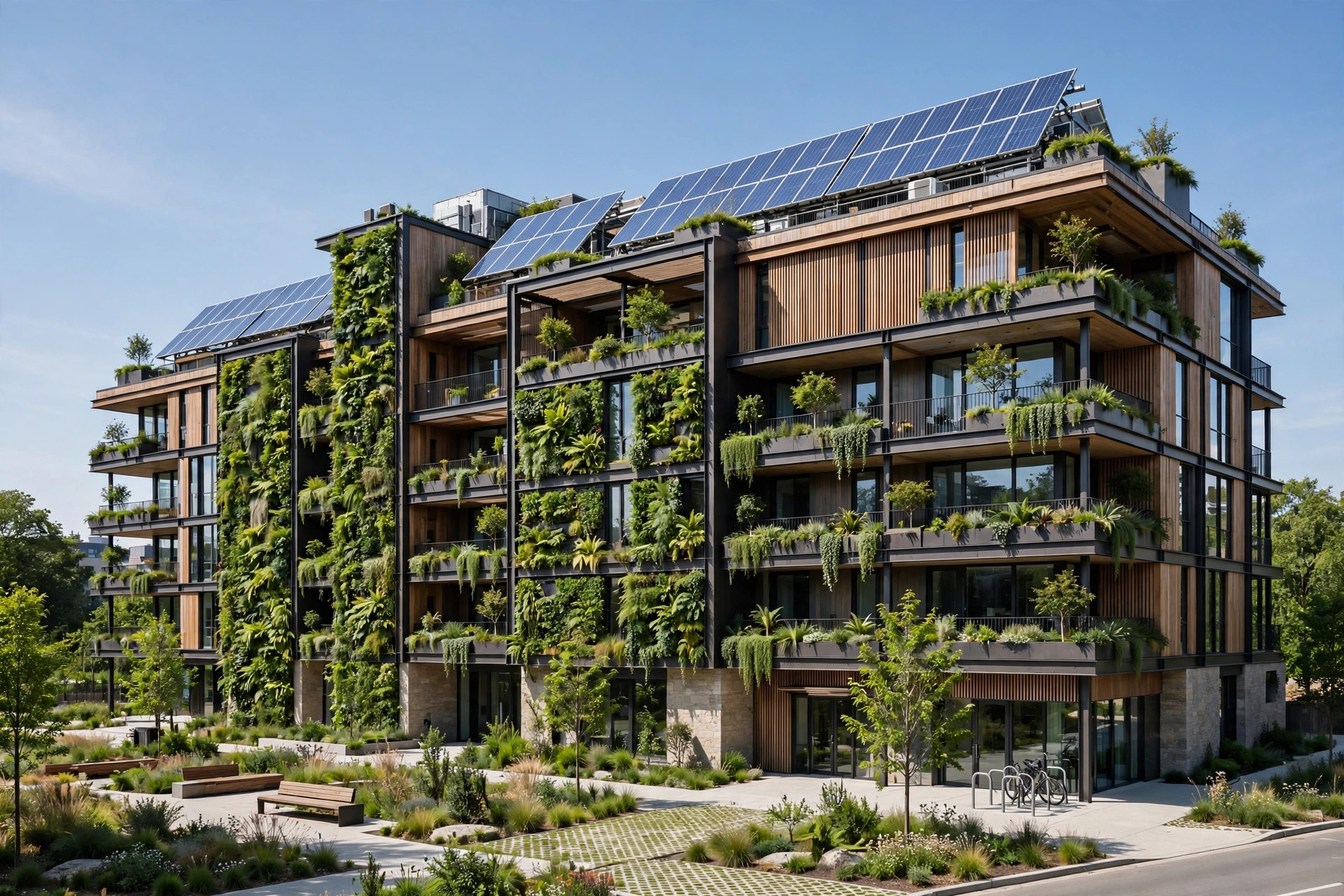
Sustainable architecture is not a single job but a lens applied across the built environment. Professionals in this space design energy-efficient buildings, certify them against green standards, model their environmental performance, and shape the policies driving the transition. Employers range from architecture studios and engineering consultancies to developers, certification bodies, and government agencies.
Key Roles in the Field
- Sustainable design architect - leads low-carbon building design within studios.
- LEED / BREEAM consultant - guides projects through green certification.
- Energy modeller - simulates building performance to optimise design.
- Passivhaus designer - specialises in ultra-low-energy building standard.
- Retrofit coordinator - manages upgrades to existing building stock, a huge growth area.
- Sustainability manager (developer side) - sets green strategy for property companies.
- Green building policy advisor - works with governments on codes and incentives.
Qualifications That Open Doors
- Architecture or engineering degree - the foundation for design-track roles.
- LEED AP credential - globally recognised, valuable for consultancy roles.
- BREEAM assessor qualification - essential for UK and European certification work.
- Passivhaus designer certification - niche but highly valued specialisation.
- WELL AP - for the growing healthy-buildings movement.
- Retrofit assessor / coordinator qualifications - critical for the existing-buildings market.
Salary and Demand
Sustainability specialists typically earn a premium over generalist equivalents. UK sustainability consultants earn 35,000 to 60,000 GBP, with senior and associate levels higher. US green building professionals earn 70,000 to 110,000 USD depending on market and specialisation. Demand is driven by regulation: net-zero building codes, mandatory energy disclosure, and corporate ESG commitments keep creating roles faster than the talent pipeline fills them. Competition for experienced Passivhaus designers and retrofit coordinators is especially intense, pushing salaries higher each year.
How to Break Into the Field
- Build conventional architecture or engineering competence first; sustainability is a specialisation, not a starting point.
- Earn one recognised credential: LEED AP or BREEAM assessor, depending on your market.
- Develop energy modelling skills in tools like IES VE or EnergyPlus.
- Document the carbon and energy story of every project in your portfolio.
- Join green building councils and attend industry events where hiring happens.
- Target retrofit: upgrading existing buildings is where the largest volume of work sits.
Freelance and Consultancy Paths
Experienced sustainability professionals increasingly work independently, advising developers and architects on certification strategy. Consultancy suits those with strong credentials and networks: LEED and BREEAM advice, energy modelling services, and retrofit assessments all work as freelance offerings. Clients buy outcomes, certified buildings and planning approvals, rather than hours, so fees are strong. Build employed experience first, then transition once your reputation starts generating referrals.
Writing and speaking accelerate this path: publishing case studies of projects you worked on establishes authority and attracts inbound enquiries. Many consultants combine advisory work with part-time teaching or training delivery for steadier income between projects.
Key takeaway: Green building careers reward professionals who combine solid design or engineering foundations with recognised sustainability credentials. Get qualified in LEED or BREEAM, learn energy modelling, showcase low-carbon thinking in your portfolio, and focus on retrofit where demand is deepest.
Frequently Asked Questions
Do I need an architecture degree for sustainable architecture jobs?
For design-track roles, yes. But the wider green building field welcomes engineers, energy modellers, consultants, and policy professionals from varied backgrounds. Consultancy and assessment roles are the most accessible without an architecture degree.
Is LEED or BREEAM more valuable?
It depends on your market: LEED dominates in the US, Middle East, and much of Asia, while BREEAM leads in the UK and parts of Europe. Research which standard your target employers use and certify accordingly.
What is the fastest-growing area in green building?
Retrofit of existing buildings. The vast majority of 2050 building stock already exists, so upgrading it dominates policy and investment. Retrofit coordinators and assessors are in particularly short supply.
Can I work remotely in sustainable architecture?
Partially. Consultancy, modelling, certification documentation, and policy work all support remote or hybrid arrangements. Site-dependent roles like assessment and construction-stage work require physical presence.