Heating, ventilation, and air conditioning systems keep every modern building habitable, and someone has to install and maintain them. An HVAC technician career offers skilled-trade security, strong pay, and demand that grows with every heatwave and building boom. Here is the complete picture: training paths, certifications, salaries, and how to get started.
What HVAC Technicians Do
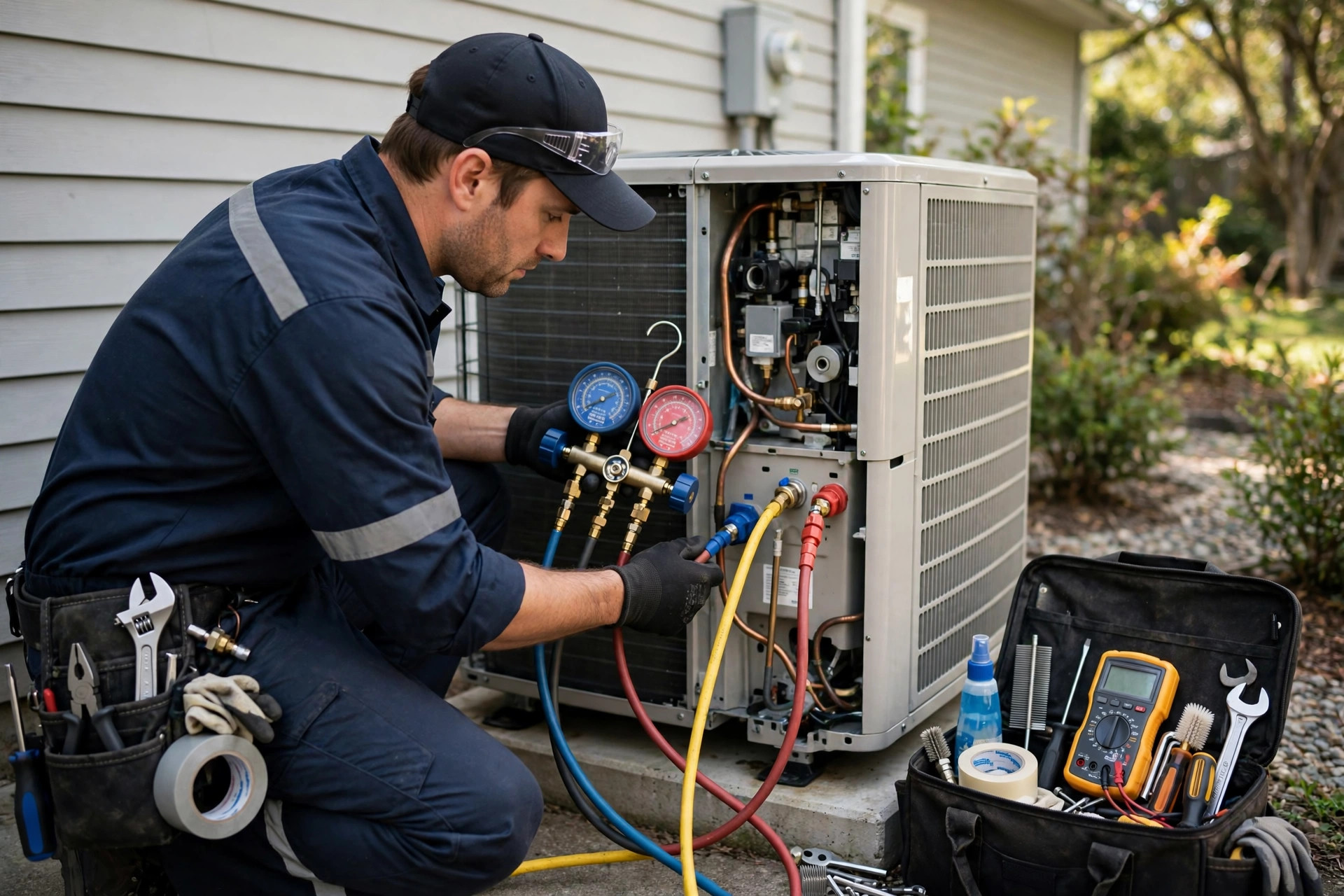
HVAC technicians install, maintain, and repair heating, cooling, and ventilation systems in homes, offices, hospitals, and industrial facilities. Daily work includes diagnosing faults, replacing components, testing refrigerant levels, installing new units, and advising customers on system efficiency. The role blends mechanical skill, electrical knowledge, and customer service, since much work happens in occupied homes and businesses.
Training Paths
Apprenticeship
The strongest route: paid work alongside experienced technicians plus classroom study, typically three to four years. You graduate with qualifications, real diagnostic experience, and often a job offer. Apply through trade associations, large mechanical contractors, and job portals.
Technical College Programme
Certificate or diploma programmes run six months to two years and teach system theory, refrigerants, electrical fundamentals, and practical skills. Graduates then need entry-level work to build field experience. Choose accredited programmes with strong employer placement links.
Manufacturer Training
Major equipment makers run courses on their systems. These do not replace core qualifications but add valuable specialisation that employers pay premiums for.
Certifications That Matter
- EPA Section 608 (US) - legally required for handling refrigerants; non-negotiable.
- NATE certification (US) - the industry standard proving technician competence.
- F-Gas certification (UK/EU) - required for working with fluorinated gases.
- Manufacturer certifications - brand-specific credentials that unlock premium service work.
Job Demand in 2026
Demand is structurally strong. Ageing workforces are retiring faster than replacements train, heat pumps are booming as countries electrify heating, and data centres need constant cooling. The US Bureau of Labor Statistics projects HVAC employment growing faster than average through the decade. Unlike many trades, HVAC cannot be offshored: the equipment is in local buildings, and someone local must service it.
Salary Guide
US HVAC technicians earn a median of around 55,000 to 60,000 USD, with experienced technicians and specialists exceeding 80,000 USD. UK engineers typically earn 30,000 to 42,000 GBP, with self-employed technicians earning more. Specialisations in commercial refrigeration, building automation controls, and heat pumps command the highest premiums. Overtime and emergency call-outs add substantially during peak summer and winter seasons.
Getting Started: Your Action Plan
- Research licensing requirements in your state or country first.
- Apply for apprenticeships while also considering accredited college programmes.
- Get EPA 608 or F-Gas certified as early as eligible.
- Build electrical and mechanical fundamentals; they transfer everywhere in the trade.
- Target heat pump and refrigeration specialisations for the strongest future demand.
While training, seek part-time work as an HVAC helper or installer assistant: the hands-on exposure accelerates learning dramatically and often leads directly to apprenticeship offers. Document every system you work on with photographs and notes, building a personal reference library that will serve you throughout your career. Volunteering for emergency call-out rotations once you are qualified to assist builds diagnostic speed faster than any classroom exercise.
Key takeaway: HVAC is a future-proof skilled trade with growing demand from heat pumps, data centres, and retiring workforces. Train through apprenticeship or accredited college, secure refrigerant certification early, specialise in growth areas, and expect solid pay that rises steeply with experience.
Frequently Asked Questions
How long does HVAC training take?
Apprenticeships run three to four years including paid work. College certificate programmes take six months to two years, followed by entry-level field experience. You can be earning as a helper or junior technician within months of starting either path.
Is HVAC a good career for the future?
Yes. Electrification of heating, data centre growth, and an ageing technician workforce create durable demand. The work is local, hands-on, and resistant to automation and offshoring.
Do HVAC technicians work in extreme conditions?
Sometimes: roof units in summer heat, boiler rooms, and cramped lofts are part of the job. Physical fitness helps, and experienced technicians often move towards diagnostics, supervision, or system design roles.
Can I run my own HVAC business?
Absolutely, and many do. After gaining experience and any required contractor licensing, independent HVAC businesses are profitable, with maintenance contracts providing recurring revenue. Business skills matter as much as technical ones at that stage.